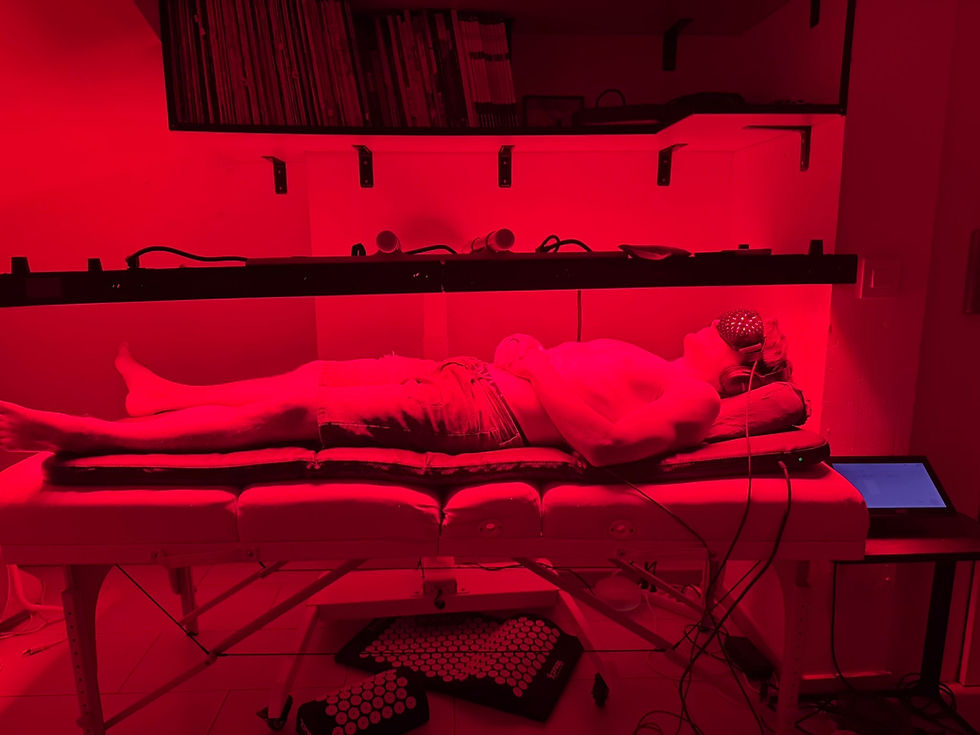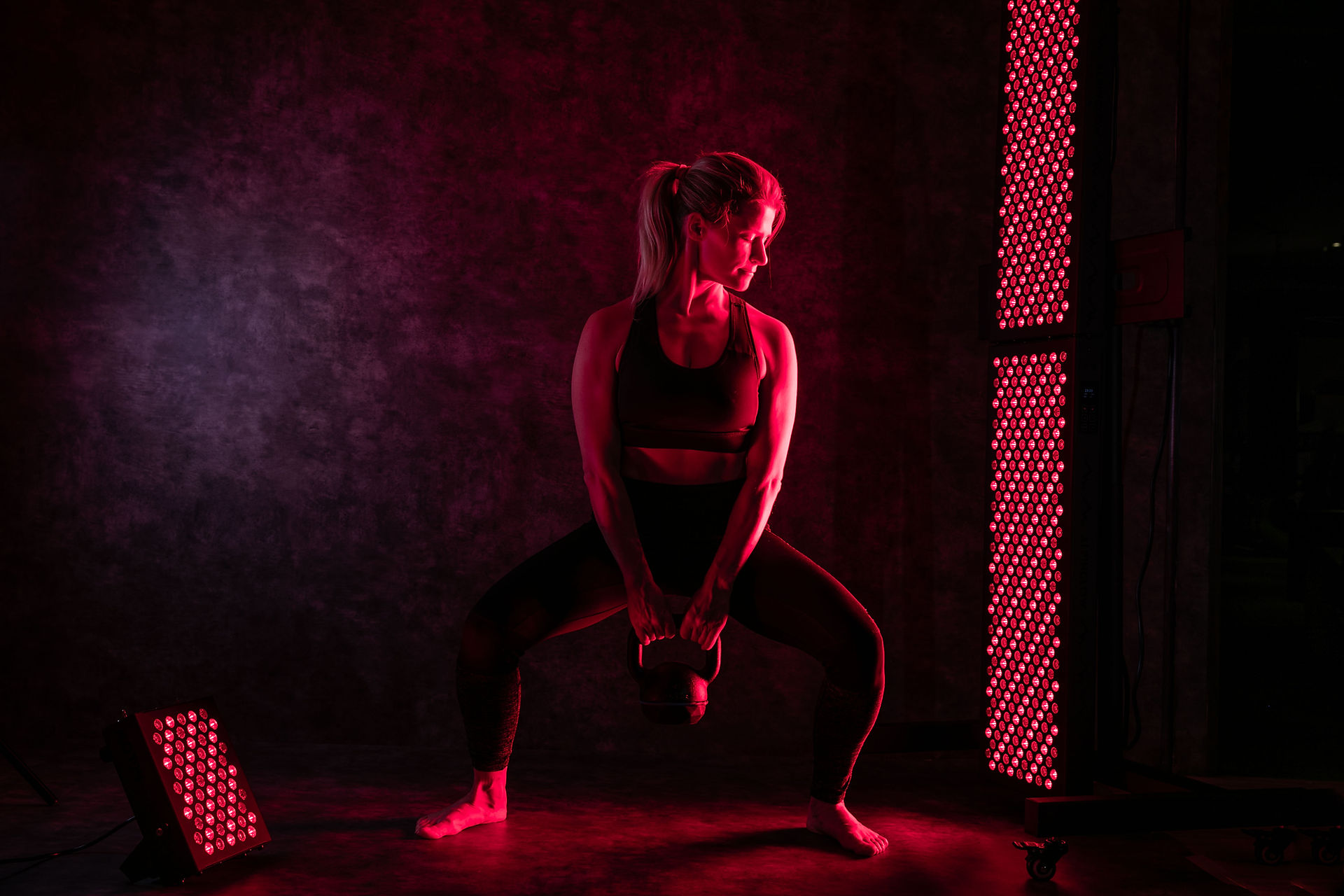


How Red Light Therapy (Photobiomodulation) Works
In recent years, red light and near-infrared (NIR) light therapy, also called photobiomodulation, has attracted significant attention for its potential wellness benefits. Researchers have studied the effects of red and NIR light for several decades. This safe, medication-free approach uses specific wavelengths of red and NIR light to interact with the body’s natural processes.
When red and NIR light is absorbed by the skin and underlying tissue, it interacts with a photoreceptor in our cells called cytochrome c oxidase. This can support the mitochondria—the energy producers in our cells—to use oxygen more efficiently, helping cells generate more energy, known as ATP. Cellular energy plays a key role in how we feel day to day, including levels of alertness, motivation, and overall vitality.
History
Light therapy is one of the earliest recovery modalities. Forms of light therapy were used by the Egyptians, ancient Greeks, Chinese and Indians.
The history comes also from Switzerland. In 19th century Swiss physicians Oskar Bernhard at St.Moritz and Auguste Rollier at Leysin were extending the use of solar therapy and both established their own sunlight-therapy clinics. The sunlight and fresh mountain air in the Alps was believed to amplify all the positive effects.
Red light therapy is originating from NASA, where astronauts conducting experiments with plant growth chambers in space observed an unexpected benefit—little scratches on their hands started recovering. This observation led to extensive research funded by NASA, exploring the potential recovery properties of red light therapy.
Red and Near-infrared light wavelenghts
Supported by over 5,000 scientific studies, these wavelengths demonstrate therapeutic effects, contributing to our energy balance within our bodies. Unlike sunlight, Alpinglow's red and near-infrared light therapy devices deliver targeted wavelengths without emitting harmful UV radiation.

Red light wavelenghts
-
600–700 nm wavelengths
-
Optimal range: 630–680 nm
-
Penetration: Primarily supports the upper layers of the skin
-
Supports overall wellness, including:
-
Promotes a radiant-looking complexion and natural glow
-
Helps improve the appearance of smoother, more refined skin texture
-
Promotes the look of firmness and suppleness
-
Supports a more even and balanced-looking skin tone
-
Complements daily skincare routines for a polished appearance
-
Provides a gentle, relaxing light experience that supports self-care rituals
-
Near-infrared light wavelenghts
-
700–1100 nm wavelengths
-
Optimal range: 800–880 nm
-
Penetration: Reaches deeper layers beneath the skin, including muscles, soft tissues, and connective tissue areas
-
Note: This light is not visible to the human eye
-
Supports overall wellness, including:
-
Helps promote a feeling of relaxation in muscles and soft tissues
-
Supports a gentle sense of post-activity recovery and comfort
-
Provides a warm, soothing light experience that complements self-care rituals
-
Helps support a healthy-looking, refreshed skin appearance
-
Complements active lifestyles and recovery-focused routines
-
Supports overall physical comfort and a sense of well-being
-
Using a combination of red and near-infrared light may support overall wellness, longevity, help maintain vitality, and encourage a balanced, healthy lifestyle over time.

MITOCHONDRIA ACT AS BIOLOGICAL BATTERIES
Alpinglow's Red and Near-infrared light panels effectively recharge these mitochondria with optimal doses of red and near-infrared light without any harmful UV rays.
Picture it like a sunrise for your cells—red light therapy energizes and kickstarts cellular activity, just as the morning sun kickstarts your day.
Benefits of Red and Near-infrared light therapy
Red and near-infrared light therapy (also called photobiomodulation) is a safe, non-invasive technology that supports general wellness and helps you feel your best. By stimulating the cells’ natural energy processes, it may contribute to improved recovery, vitality, and overall quality of life.
Relaxation and Comfort
Near-infrared light gently supports the body’s natural relaxation processes. Many users notice reduced muscle tension, a feeling of ease after physical activity, and an overall sense of comfort. Regular use can make everyday movement feel lighter and more effortless.
Supporting Muscle Energy and Recovery
Red and near-infrared light supports cellular energy production, which is especially important in muscle cells. This may help you feel more refreshed after exercise, support daily activity, and give a boost to overall physical vitality. People who stay active often report feeling less stiffness and more energy to enjoy their favorite activities.
Promoting Skin Vitality
Red light gently interacts with skin cells to help maintain a healthy appearance. It can support the skin’s natural processes, helping it feel smooth, hydrated, and vibrant. Over time, many users notice their skin looking more refreshed, with a natural glow.
Encouraging Hair and Scalp Wellness
By supporting cellular energy in hair follicles, red light may contribute to a healthier scalp environment. Users often notice hair feels fuller and stronger, helping maintain a healthy-looking head of hair.
Supporting Longevity and Vitality
Red and near-infrared light is sometimes called a “wellness booster” for your cells. By helping cells function efficiently, this therapy can support daily vitality, energy levels, and a sense of overall well-being. Regular use aligns with a lifestyle focused on long-term wellness and vitality.
Circulation and Energy Flow
Red light may help support healthy circulation and energy flow in the body. This can make everyday movement feel easier, help your body feel more balanced, and support your natural energy rhythms.
Promoting Restful Sleep
Light exposure at specific wavelengths may encourage natural relaxation and help regulate your body’s circadian rhythm. Users often report a more restful sleep and feeling more refreshed upon waking.
Mental Clarity and Focus
By supporting natural cellular energy in the brain, red and near-infrared light may help you feel more alert, focused, and balanced throughout the day. It can be a useful part of a wellness routine for those seeking better mental clarity and calm.
Supporting Healthy Lifestyle Goals
Using red light therapy as part of a balanced lifestyle may complement healthy habits like regular activity, nutritious eating, and stress management. It can help you feel more energized to enjoy daily activities, stay active, and maintain a positive mindset.
Longevity and Daily Well-Being
Red and near-infrared light supports the energy powerhouses of your cells (the mitochondria), which are central to how your body maintains vitality over time. By helping cells function optimally, this therapy contributes to a holistic wellness routine that promotes long-term energy, balance, and daily vitality.
.png)

BRINGING THE LIGHT BACK INTO HUMAN LIFE.

In the modern age we spend 90% of our time indoor and our bodies seek the rejuvenating embrace of light. The powerful energy of our red and near-infrared light panels has become a source of wellness and healthy lifestyle.
HOW TO USE THE RED/NIR LIGHT THERAPY PANELS
Adhere to the recommended dose range. Remember, more doesn’t always mean better, and this holds true for red/NIR light usage. While it’s a safe therapy, overdoing it may diminish the benefits.
FREQUENCY
At least 3 sessions per week are recommended, ideally daily. If you choose to do more than one session in a day, allow a minimum of 6 hours between sessions.
-
We recommend starting slow with shorter sessions at a greater distance.
DISTANCE
The closer you are, the shorter your session will be and the smaller the surface area covered. Standing further away allows you to treat a larger area, but requires more time.
-
For skin tissues: Be approximately 30–40 cm away for about 5–10 minutes.
-
For deeper tissues (muscles, joints, tendons, etc.): Stay closer, around 15–30 cm, for 10–20 minutes.
-
Do not exceed ~15–20 minutes total exposure per session across all treated areas.
.png)
3-7 sessions per week
SETTINGS
Learn how to optimize your panel settings for maximum benefits tailored to your specific therapy needs.
WHO SHOULD AVOID
Red light therapy panels should not be used by pregnant women (unless approved by a doctor), people with active cancer, those with photosensitivity or taking light-sensitive medications, individuals with eye conditions (unless eyes are protected), people with uncontrolled epilepsy.
WHERE TO TRY ALPINGLOW
You can discover the Alpinglow range through our partner gyms, clinics, and performance centers -> more under CONTACT.
Or simply try our rental service (available in Switzerland only).
Note: Alpinglow therapy panels are designed for wellness and general vitality purposes. They are not medical devices and are not intended to diagnose, treat, or cure any medical condition. Individual results may vary depending on lifestyle, usage, and other factors.
.png)
Brain Waves and Red Light Therapy
Our brain communicates through tiny electrical signals, creating different brain wave patterns. Each of these patterns reflects a specific mental or physical state:
-
Delta (0.5–4 Hz): Deep sleep, regeneration
-
Theta (4–7 Hz): Relaxation, meditation, creativity
-
Alpha (8–12 Hz): Calm, focus, light relaxation
-
Beta (13–30 Hz): Alertness, active thinking
-
Gamma (30–100 Hz): Advanced thinking, learning, memory
By choosing the pulse frequency on your panel, you can tailor each session:
-
Slow pulsing (0.5–4 Hz) → Encourages a sense of deep calm and restfulness (Delta)
-
Gentle pulsing (4–7 Hz) → Supports relaxation and creative focus (Theta)
-
Balanced pulsing (8–12 Hz) → Helps you feel centered and lightly alert (Alpha)
-
Energizing pulsing (13–20 Hz) → Promotes wakefulness and mental clarity (Beta)
Everyone experiences these frequencies differently. Explore the pulse ranges and notice how each setting influences your mood, focus, or sense of relaxation.